Cold chain logistics plays a critical role in the transportation industry, particularly when handling temperature-sensitive products such as frozen foods, pharmaceuticals, dairy products, fresh produce, and medical supplies. Maintaining the correct temperature throughout the supply chain is essential to ensure product quality, regulatory compliance, and customer satisfaction.
One of the most effective strategies logistics companies use to manage cold chain transportation is renting reefer trailers. Instead of purchasing refrigerated trailers outright, many dispatching and freight companies are turning to reefer trailer rental solutions to improve flexibility, reduce operational costs, and increase profitability.
In this guide, we explore the key benefits of renting reefer trailers for cold chain logistics and how this approach can help logistics companies grow while remaining competitive in today’s demanding freight market.
What is a Reefer Trailer?
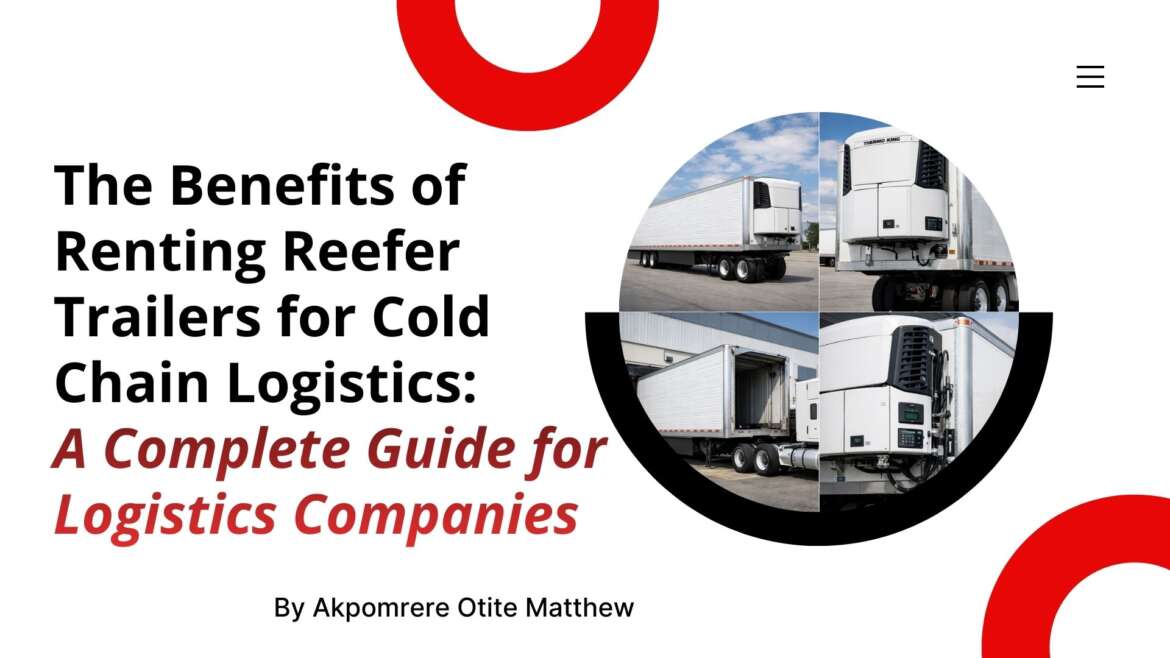
A reefer trailer (refrigerated trailer) is a temperature-controlled transport unit designed to keep goods at a specific temperature during transit. These trailers are commonly used in cold chain logistics to transport perishable items that require consistent temperature management.
Reefer trailers can maintain temperatures ranging from deep-frozen to chilled conditions, ensuring that products remain fresh and safe throughout the shipping process.
Industries that rely heavily on reefer trailers include:
- Food and beverage distribution
- Pharmaceutical transportation
- Agricultural produce supply chains
- Floral logistics
- Dairy and frozen food transportation
Because these industries require strict temperature control, having access to reliable refrigerated trailers is essential.
1. Cost-Effective Alternative to Buying Reefer Trailers
Purchasing a reefer trailer is a significant capital investment for logistics companies. The upfront cost of a refrigerated trailer can range from $60,000 to over $100,000, depending on specifications and technology.
Beyond the purchase price, companies must also consider additional expenses such as:
- Maintenance and servicing
- Refrigeration unit repairs
- Insurance costs
- Depreciation
- Storage and parking costs
By renting reefer trailers, logistics companies avoid large upfront investments and instead pay only for equipment when it is needed.
This approach helps businesses:
- Preserve working capital
- Improve cash flow management
- Reduce financial risk
- Invest more in operational growth
For many dispatching companies and freight brokers, reefer trailer rental provides the flexibility needed to operate efficiently without heavy financial commitments.
2. Operational Flexibility and Scalability
Demand in the logistics industry often fluctuates depending on seasons, market conditions, and consumer demand.
For example:
- Food demand increases during holidays
- Agricultural harvest seasons require additional refrigerated transport
- Pharmaceutical distribution may spike during health emergencies
Owning a fixed number of trailers can limit a company’s ability to respond to these changes.
Renting reefer trailers allows companies to scale operations up or down quickly depending on demand.
Benefits include:
- Handling seasonal freight surges
- Accepting larger contracts without purchasing new equipment
- Reducing idle equipment during slow periods
- Expanding into new markets with minimal risk
This scalability is especially valuable for small and mid-sized logistics companies looking to grow.
3. Access to Modern Temperature Control Technology
Cold chain logistics depends heavily on advanced temperature monitoring systems to maintain product integrity.
Modern reefer trailers often include:
- Real-time temperature monitoring
- GPS tracking systems
- Remote temperature control
- Automated alerts for temperature fluctuations
- Energy-efficient refrigeration units
By renting reefer trailers, companies gain access to newer equipment equipped with the latest technology, without needing to upgrade their fleets regularly.
This improves:
- Product safety
- Shipment visibility
- Operational efficiency
- Customer trust
For logistics companies handling sensitive cargo like pharmaceuticals or frozen foods, this level of technology is essential.
4. Reduced Maintenance and Repair Responsibilities
Reefer trailers require regular maintenance to ensure refrigeration units operate properly.
Routine servicing includes:
- Refrigeration system checks
- Compressor maintenance
- Electrical system diagnostics
- Cooling performance inspections
- Fuel system checks
Owning reefer trailers means companies must handle all repair and maintenance costs.
However, when trailers are rented, the rental provider typically handles maintenance and servicing.
This allows logistics companies to:
- Reduce downtime caused by equipment failure
- Lower maintenance expenses
- Avoid unexpected repair costs
- Focus more on dispatching and operations
As a result, operations become more efficient and less stressful for logistics managers.
5. Expanding Logistics Service Offerings
Another major advantage of renting reefer trailers is the ability to expand business services.
Many dispatching companies initially focus on dry van or flatbed freight, but cold chain logistics opens the door to high-value freight markets.
With rented reefer trailers, companies can begin handling shipments such as:
- Frozen foods
- Fresh produce
- Dairy products
- Meat and seafood
- Pharmaceuticals
- Vaccines and medical supplies
Offering cold chain services allows logistics companies to:
- Attract higher-paying clients
- Diversify revenue streams
- Enter new industry markets
- Strengthen their competitive advantage
This can significantly increase business growth opportunities.
6. Improved Profit Margins for Logistics Companies
Cold chain transportation typically commands higher freight rates than standard dry freight.
Because temperature-sensitive goods require specialized equipment and careful handling, customers are often willing to pay premium rates.
When logistics companies rent reefer trailers, they can:
- Take advantage of high-paying refrigerated freight
- Reduce equipment ownership costs
- Increase load availability
- Optimize dispatching operations
The result is higher profitability per load, especially for long-haul refrigerated shipments.
7. Environmentally Friendly Transportation Options
Modern reefer trailers are increasingly designed with energy efficiency and environmental sustainability in mind.
Many newer models include:
- Fuel-efficient refrigeration systems
- Lower emission engines
- Smart temperature regulation
- Reduced fuel consumption
By renting modern reefer trailers, logistics companies can operate greener fleets without investing heavily in new equipment.
This helps companies:
- Reduce fuel costs
- Lower carbon emissions
- Meet environmental regulations
- Appeal to environmentally conscious clients
8. Easier Compliance with Cold Chain Regulations
Cold chain transportation must comply with strict health and safety regulations, particularly when transporting food and pharmaceutical products.
These regulations require:
- Proper temperature control
- Accurate monitoring records
- Equipment sanitation
- Compliance with transportation safety standards
Reputable reefer trailer rental providers typically ensure their trailers meet industry compliance standards.
This helps logistics companies:
- Avoid regulatory violations
- Maintain proper documentation
- Meet client compliance requirements
- Pass inspections more easily
The Growing Importance of Cold Chain Logistics
Global demand for cold chain logistics is increasing rapidly due to growth in:
- Online grocery delivery
- Pharmaceutical distribution
- Global food supply chains
- Frozen food consumption
- Biotechnology transportation
As these industries expand, the demand for reliable refrigerated transportation continues to rise.
Logistics companies that integrate reefer trailer rental solutions into their operations can position themselves to capture a larger share of this growing market.
Conclusion
Renting reefer trailers is a strategic solution for logistics dispatching companies seeking flexibility, efficiency, and growth within the cold chain sector.
Instead of committing to expensive equipment purchases, rental options allow businesses to:
- Reduce capital investment
- Scale operations quickly
- Access modern refrigeration technology
- Expand service offerings
- Improve profit margins
- Maintain regulatory compliance
As cold chain logistics continues to expand globally, companies that adopt flexible reefer trailer rental strategies will be better positioned to meet demand, attract new clients, and grow sustainably.
For logistics companies aiming to stay competitive in the evolving freight market, reefer trailer rental is not just a cost-saving option — it is a powerful growth strategy.
Leave a reply