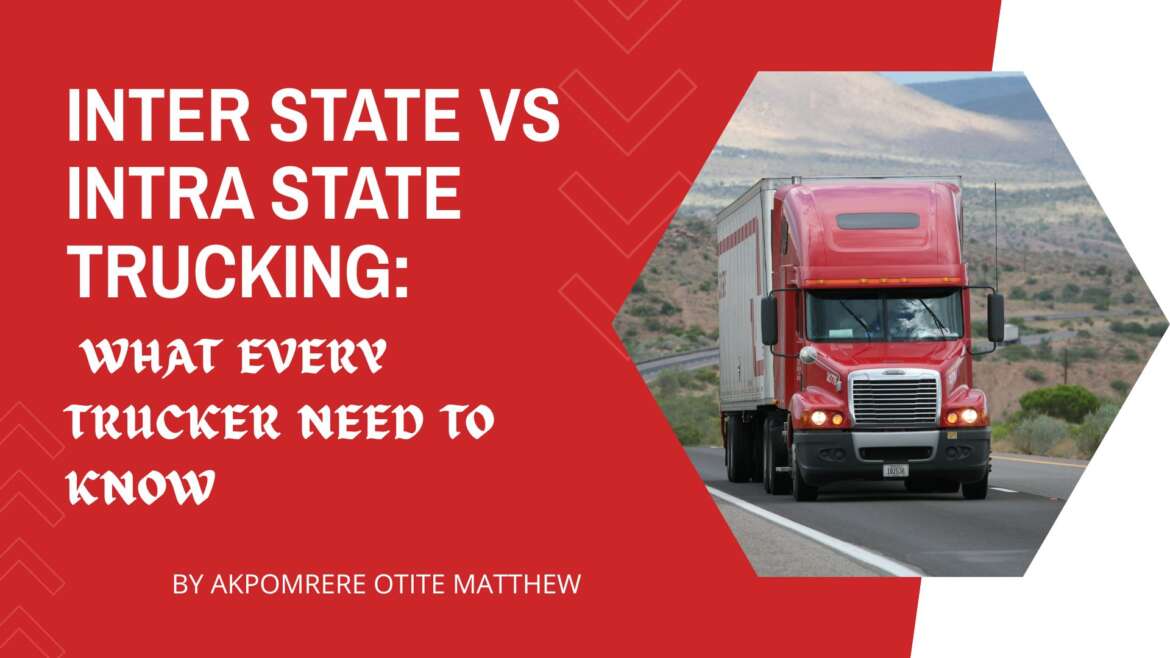
The U.S. trucking industry is the backbone of national commerce, moving freight, consumer goods, industrial materials, and essential supplies across cities and states every day. Whether you’re an owner-operator, fleet owner, freight dispatcher, or new CDL driver, understanding the difference between interstate trucking and intrastate trucking is critical for regulatory compliance, insurance coverage, licensing, and long-term operational success. This comprehensive…
Winter is one of the most challenging seasons for professional drivers. For trucking operators responsible for heavy loads, tight delivery schedules, and long-haul routes, cold temperatures and hazardous road conditions can quickly turn routine trips into high-risk journeys. Snow, black ice, freezing rain, strong winds, and reduced daylight hours require heightened awareness, mechanical preparedness, and disciplined driving techniques. Whether you’re…
On October 7, 2024, the Federal Motor Carrier Safety Administration (FMCSA) announced its Final Rule on Non-Domiciled Commercial Driver’s Licenses (CDLs). This regulatory update introduces significant changes affecting truck drivers, motor carriers, and State Driver Licensing Agencies (SDLAs) across the United States. The rule focuses on: In this article, we break down what the rule means, why it matters, and…
As the United States moves deeper into 2026, the 2026 federal spending bill is emerging as one of the most consequential policy frameworks for the transportation, logistics, and manufacturing sectors. For companies operating in the U.S. trucking industry and the packing industry, this legislation is more than a federal budget — it is a strategic roadmap. It will shape infrastructure…
In today’s fast-paced global economy, cold chain logistics plays a vital role in the safe transportation of temperature-sensitive products such as pharmaceuticals, fresh food, vaccines, and other perishables. As consumer expectations rise and regulatory standards grow more stringent, logistics providers face increasing pressure to maintain product quality, minimize losses, and operate with complete transparency. At the core of modern cold…
The U.S. freight industry is the backbone of the nation’s economy, moving billions of tons of goods across vast distances every year. Within this complex logistics network, refrigerated transport, commonly known as reefer trucking, plays a critical role in protecting temperature-sensitive cargo—especially food and beverages. From farm to table, refrigerated transportation helps ensure products remain fresh, safe, and compliant with…
In today’s rapidly evolving logistics industry, strategic partnerships are no longer optional—they are essential. As global supply chains grow more complex and customer expectations for speed, transparency, and reliability continue to rise, closer collaboration between logistics stakeholders has become a critical success factor. One of the most impactful relationships in modern logistics is the dispatcher and direct shipper partnership. When…
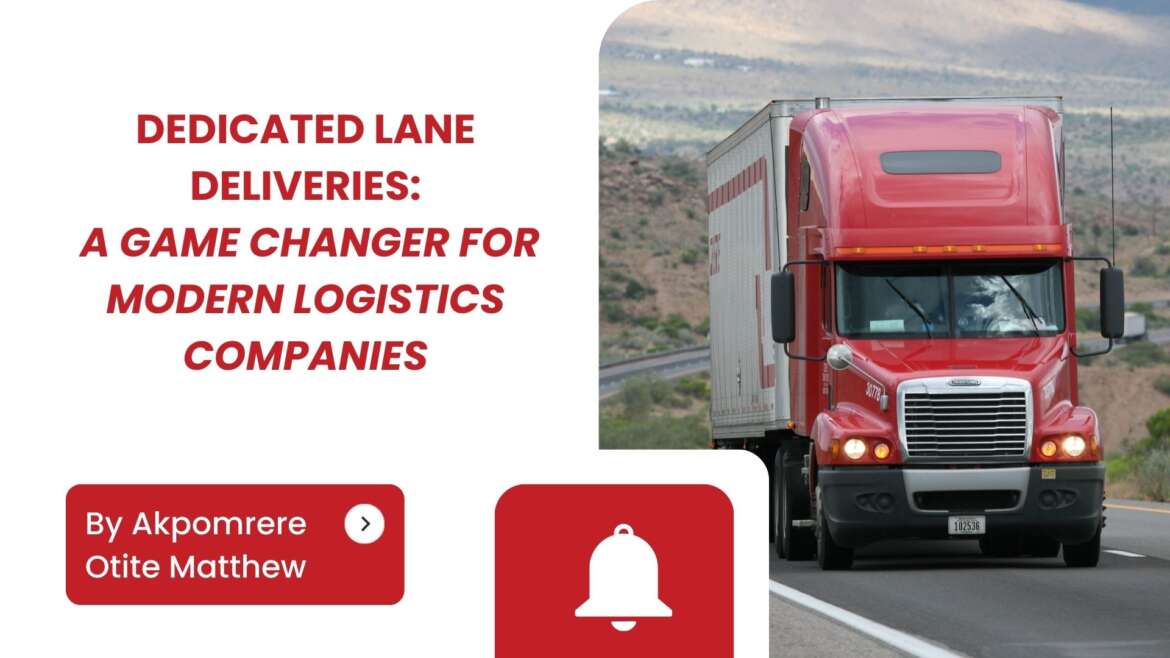
In today’s fast-evolving logistics landscape, efficiency, reliability, and cost control are more critical than ever. Rising fuel costs, increasing customer expectations, and intense competition are pushing logistics companies to find smarter ways to optimize operations and improve profitability. One strategy gaining strong momentum is dedicated lane deliveries. By establishing consistent shipping routes between specific locations, logistics providers can streamline workflows,…
Introduction In today’s fast-paced and highly competitive logistics environment, operational efficiency is no longer optional—it is a business imperative. As customer expectations rise and supply chains grow more complex, logistics companies must rely on advanced technology to remain agile, compliant, and profitable. One of the most powerful tools driving this transformation is a Transportation Management System (TMS). A TMS enables…
Introduction: Why Dispatch Innovation Matters in US Freight Logistics The US freight logistics industry is the backbone of the American economy, moving over 70% of domestic goods by truck. Despite its scale and importance, many dispatch operations still rely on outdated, manual, and fragmented processes. As freight markets tighten, regulatory scrutiny increases, and customer expectations rise, traditional dispatch methods are…