In today’s fast-paced global economy, cold chain logistics plays a vital role in the safe transportation of temperature-sensitive products such as pharmaceuticals, fresh food, vaccines, and other perishables. As consumer expectations rise and regulatory standards grow more stringent, logistics providers face increasing pressure to maintain product quality, minimize losses, and operate with complete transparency. At the core of modern cold…
The U.S. freight industry is the backbone of the nation’s economy, moving billions of tons of goods across vast distances every year. Within this complex logistics network, refrigerated transport, commonly known as reefer trucking, plays a critical role in protecting temperature-sensitive cargo—especially food and beverages. From farm to table, refrigerated transportation helps ensure products remain fresh, safe, and compliant with…
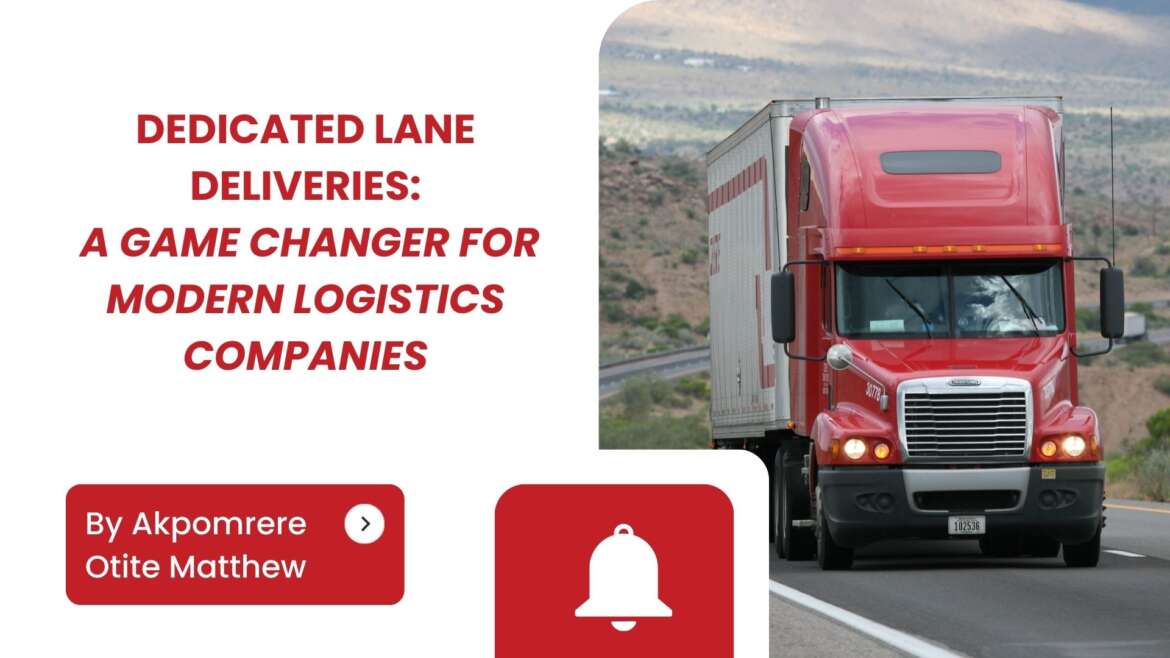
In today’s fast-evolving logistics landscape, efficiency, reliability, and cost control are more critical than ever. Rising fuel costs, increasing customer expectations, and intense competition are pushing logistics companies to find smarter ways to optimize operations and improve profitability. One strategy gaining strong momentum is dedicated lane deliveries. By establishing consistent shipping routes between specific locations, logistics providers can streamline workflows,…
Introduction In today’s fast-paced and highly competitive logistics environment, operational efficiency is no longer optional—it is a business imperative. As customer expectations rise and supply chains grow more complex, logistics companies must rely on advanced technology to remain agile, compliant, and profitable. One of the most powerful tools driving this transformation is a Transportation Management System (TMS). A TMS enables…
Introduction: Why Dispatch Innovation Matters in US Freight Logistics The US freight logistics industry is the backbone of the American economy, moving over 70% of domestic goods by truck. Despite its scale and importance, many dispatch operations still rely on outdated, manual, and fragmented processes. As freight markets tighten, regulatory scrutiny increases, and customer expectations rise, traditional dispatch methods are…
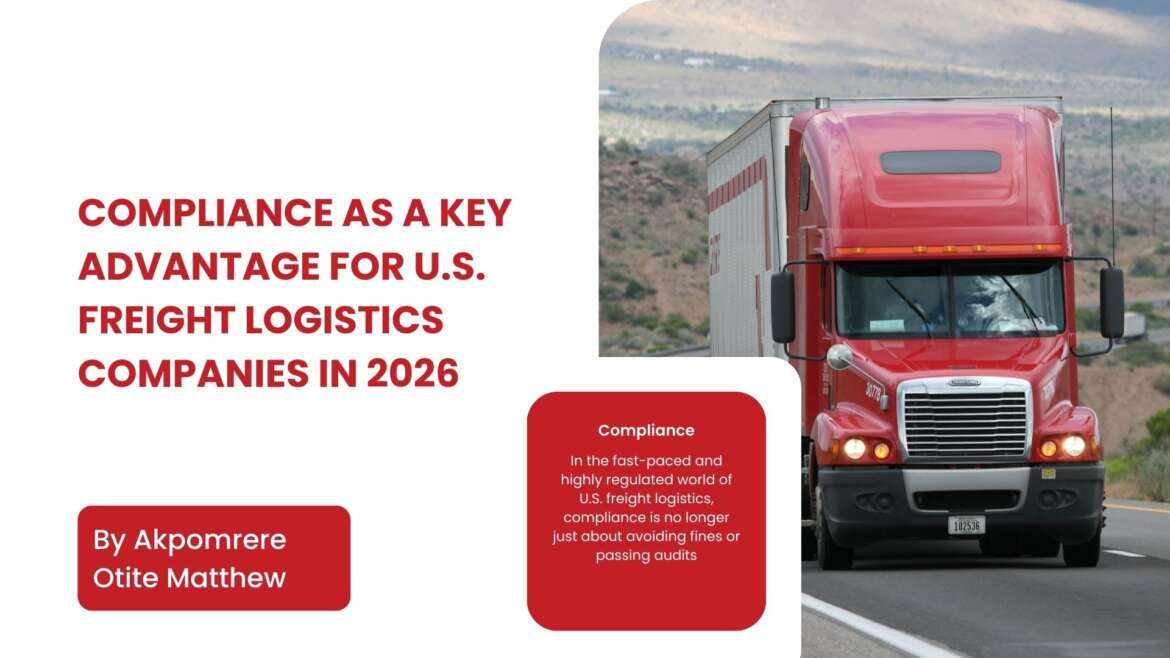
In the fast-paced and highly regulated world of U.S. freight logistics, compliance is no longer just about avoiding fines or passing audits. In 2026, regulatory compliance has become a core business differentiator—one that directly impacts operational efficiency, customer trust, scalability, and long-term profitability. With heightened enforcement from federal agencies, increased shipper scrutiny, and rising expectations around safety, data security, and…
As we begin 2026, the U.S. freight and trucking market remains in a prolonged adjustment phase following the extended freight recession that began in 2022. While early signs of stabilization are emerging—largely due to tightening capacity rather than a surge in demand—the broader environment remains uncertain. Freight volumes are still soft, influenced by tariffs, muted manufacturing activity, and restrained consumer…
The holiday season brings excitement for consumers—but for logistics, freight, and supply chain professionals, it’s one of the most demanding periods of the year. Order volumes surge, delivery windows tighten, and operational pressure increases across the board. In this environment, holiday load planning becomes a critical success factor. Effective peak-season load planning is not just about moving freight faster. It…
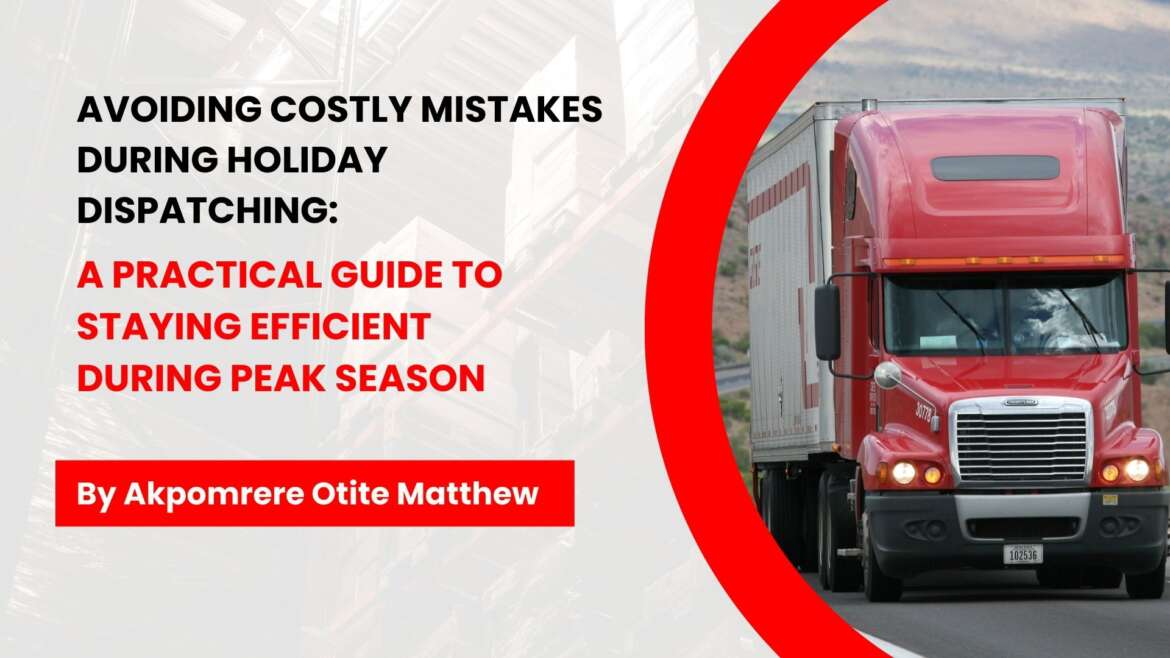
A Practical Guide to Staying Efficient During Peak Season The holiday season is one of the most profitable—and most challenging—periods for businesses involved in logistics, retail, and freight operations. Order volumes surge, customer expectations rise, and even minor operational errors can quickly escalate into costly disruptions. Delivery delays, inventory inaccuracies, and poor communication can damage customer trust and strain operational…