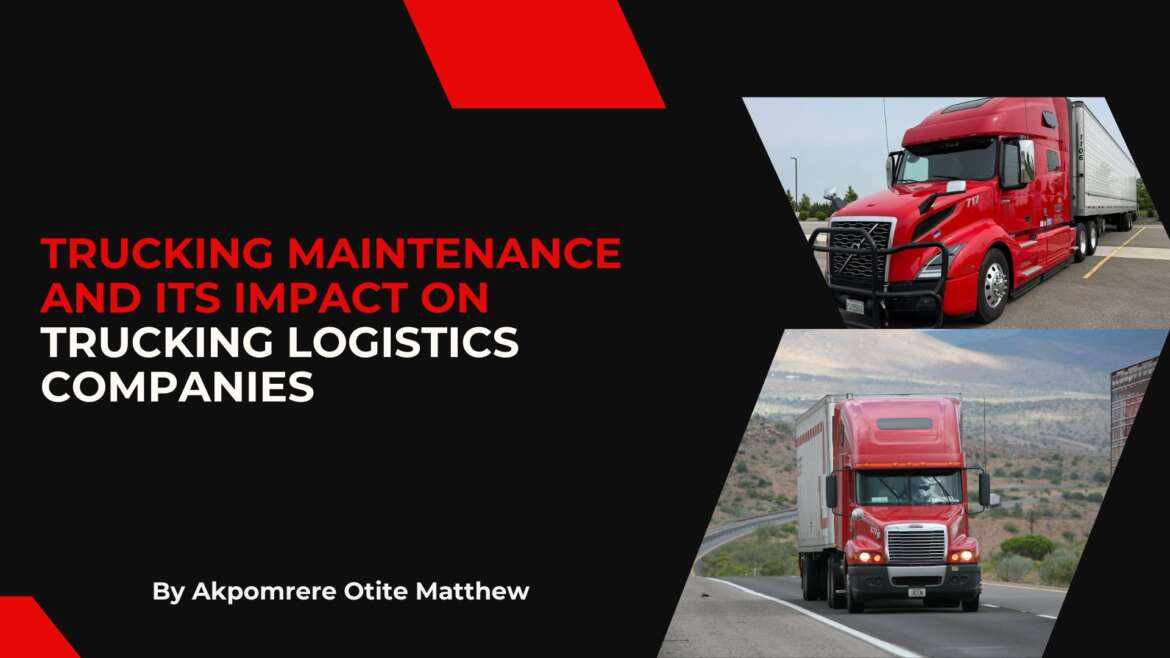
Introduction The trucking industry forms the backbone of domestic and international trade, ensuring the seamless movement of goods across supply chains. For trucking logistics companies, fleet performance is directly tied to profitability, safety, and customer satisfaction. One of the most critical—but often underestimated—factors influencing fleet performance is trucking maintenance. Effective truck maintenance goes beyond fixing mechanical issues; it is a…
Night driving is a reality for many professional truck drivers. While nighttime hauls often come with lighter traffic and cooler temperatures, they also introduce unique risks such as fatigue, reduced visibility, and wildlife encounters. Successfully navigating the night shift requires preparation, discipline, and heightened awareness. Whether you’re a seasoned night driver or new to overnight routes, these ten essential trucking…
The U.S. trucking industry is the backbone of national commerce, moving freight, consumer goods, industrial materials, and essential supplies across cities and states every day. Whether you’re an owner-operator, fleet owner, freight dispatcher, or new CDL driver, understanding the difference between interstate trucking and intrastate trucking is critical for regulatory compliance, insurance coverage, licensing, and long-term operational success. This comprehensive…
Winter is one of the most challenging seasons for professional drivers. For trucking operators responsible for heavy loads, tight delivery schedules, and long-haul routes, cold temperatures and hazardous road conditions can quickly turn routine trips into high-risk journeys. Snow, black ice, freezing rain, strong winds, and reduced daylight hours require heightened awareness, mechanical preparedness, and disciplined driving techniques. Whether you’re…
On October 7, 2024, the Federal Motor Carrier Safety Administration (FMCSA) announced its Final Rule on Non-Domiciled Commercial Driver’s Licenses (CDLs). This regulatory update introduces significant changes affecting truck drivers, motor carriers, and State Driver Licensing Agencies (SDLAs) across the United States. The rule focuses on: In this article, we break down what the rule means, why it matters, and…
As the United States moves deeper into 2026, the 2026 federal spending bill is emerging as one of the most consequential policy frameworks for the transportation, logistics, and manufacturing sectors. For companies operating in the U.S. trucking industry and the packing industry, this legislation is more than a federal budget — it is a strategic roadmap. It will shape infrastructure…
In today’s rapidly evolving logistics industry, strategic partnerships are no longer optional—they are essential. As global supply chains grow more complex and customer expectations for speed, transparency, and reliability continue to rise, closer collaboration between logistics stakeholders has become a critical success factor. One of the most impactful relationships in modern logistics is the dispatcher and direct shipper partnership. When…
The Growing Role of EPA and FMCSA Compliance Introduction The U.S. freight logistics industry is the backbone of the American economy, moving more than 70% of domestic goods by truck and supporting manufacturing, retail, agriculture, and e-commerce. However, this critical role comes with substantial environmental consequences, including greenhouse gas (GHG) emissions, diesel particulate matter, fuel consumption, and infrastructure strain. As…
Understanding the Drug and Alcohol Clearinghouse: A Crucial Resource for Freight Logistics Employers
In today’s highly regulated freight logistics industry, compliance is not optional—it is essential for safety, operational continuity, and long-term business success. One of the most important compliance tools available to employers is the FMCSA Drug and Alcohol Clearinghouse. Designed to improve road safety and accountability, the Clearinghouse plays a vital role in ensuring that commercial drivers meet federal substance-use standards.…
In today’s fast-paced freight and logistics industry, strong relationships between dispatchers and brokers are no longer optional—they’re essential. As freight volumes fluctuate, rates shift, and customer expectations rise, collaboration between these two roles can be the difference between consistent profitability and daily operational stress. Dispatchers and brokers both operate under pressure, balancing tight schedules, demanding clients, and unpredictable road conditions.…